Description
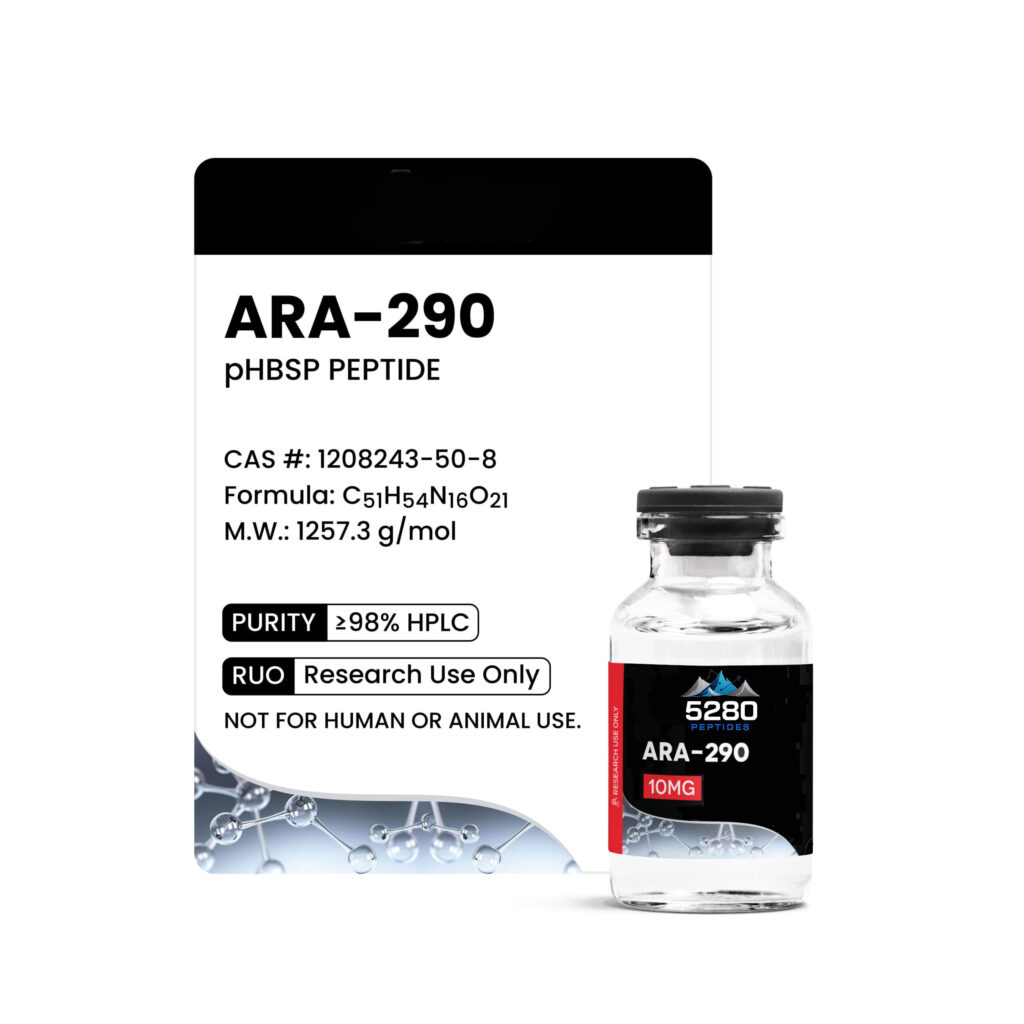 Chronic inflammation, neuropathic pain, and tissue damage are at the core of many age-related and autoimmune conditions. While existing therapies often focus on symptom management, researchers have been exploring peptides that can actively protect and repair tissues at the cellular level. One of the most promising in this field is ARA-290, also known as C*binetide. ARA-290 is a synthetic peptide derived from erythropoietin (EPO) — the hormone best known for stimulating red blood cell production. Unlike EPO, however, ARA-290 has been engineered to retain EPO’s tissue-protective and anti-inflammatory properties without stimulating excessive red blood cell formation. This makes it a candidate therapy for conditions such as diabetic neuropathy, sarcoidosis, autoimmune inflammation, and organ protection. What is ARA-290? ARA-290, also known by its research name C*binetide, is a synthetic 11–amino acid peptide derived from the structure of erythropoietin (EPO). Scientists identified a portion of EPO’s molecular structure — the helix-B domain — that was responsible for its tissue-protective and anti-inflammatory effects but not its red blood cell–stimulating activity. By isolating and modifying this sequence, they created ARA-290. → Origin: Developed to capture the healing and protective properties of EPO while avoiding risks like increased hematocrit, blood viscosity, and clotting associated with EPO use. → Primary focus: Designed to treat conditions where chronic inflammation, nerve damage, and ischemia drive disease progression. → Clinical interest: Studied in disorders such as diabetic neuropathy, sarcoidosis, kidney injury, and autoimmune conditions. → Mechanistic class: Considered a non-erythropoietic tissue-protective peptide, placing it in a novel category of therapeutic agents. → Development status: Investigated in Phase II and Phase III clinical trials under the name C*binetide, with encouraging safety and efficacy data. How ARA-290 Works (Mechanism of Action) ARA-290 works by selectively activating a receptor pathway that is distinct from the one responsible for EPO’s blood-building effects. This makes it unique among EPO derivatives — it delivers the healing and anti-inflammatory benefits without increasing red blood cell count. → Innate Repair Receptor (IRR): ARA-290 binds to and activates the IRR, a receptor complex formed by the EPO receptor and the β common receptor (CD131). This receptor is expressed on tissues under stress or injury. → Anti-inflammatory signaling: Once activated, the IRR promotes downregulation of inflammatory cytokines and reduces immune overactivation, which is beneficial in autoimmune and chronic inflammatory conditions. → Tissue protection: IRR activation stimulates cellular survival pathways, reduces oxidative stress, and protects organs such as the kidneys, liver, lungs, and heart from damage. → Nerve repair: Studies show ARA-290 supports small fiber nerve regeneration, making it especially relevant in diabetic neuropathy and other nerve-related conditions. → No erythropoiesis: Unlike EPO, ARA-290 does not activate the classic EPO receptor pathway responsible for red blood cell production, which means it avoids risks like polycythemia, high blood pressure, or clotting. Benefits of ARA-290 ARA-290 has been studied in multiple clinical and preclinical settings, with benefits focused on nerve repair, inflammation control, and organ protection. While it is still investigational, the data so far suggest several key applications. Neuropathy and Nerve Repair → Diabetic neuropathy: Clinical trials show ARA-290 can reduce painful symptoms of small fiber neuropathy and even promote nerve regeneration. → Sarcoidosis-related neuropathy: Studies report improvements in nerve function and quality of life in patients with sarcoidosis who often develop small fiber nerve damage. → Small fiber regeneration: Evidence suggests ARA-290 may help restore nerve fibers measured by corneal confocal microscopy. Anti-Inflammatory and Autoimmune Effects → Immune modulation: By acting on the innate repair receptor, ARA-290 reduces chronic inflammation without broadly suppressing the immune system. → Autoimmune conditions: Investigated for diseases such as sarcoidosis, rheumatoid arthritis, and inflammatory bowel disease. Organ Protection → Kidney health: Preclinical data suggest kidney-protective effects in diabetic and ischemic injury. → Cardiovascular system: May reduce oxidative stress and protect cardiac tissue during ischemia. → Liver and lung support: Demonstrated protective effects in models of fibrosis and inflammation. Quality of Life → Patients receiving ARA-290 in trials often reported improvements in pain levels, fatigue, and overall physical functioning, which highlights its potential as a symptom-relief and disease-modifying therapy. Summary: ARA-290’s benefits span neuropathy relief, inflammation reduction, and organ protection, making it a promising candidate for conditions that involve nerve damage and chronic inflammation. Side Effects and Risks of ARA-290 One of the advantages of ARA-290 is that it was designed to separate the protective, anti-inflammatory effects of erythropoietin from the erythropoietic (blood cell–stimulating) effects that carry risks like hypertension and clotting. Clinical studies so far suggest it is well tolerated, but as with any investigational peptide, some cautions remain.